
Choosing Durable Hotel Mattress Covers for Busy Seasons
Running a hotel during peak season can feel like a marathon—rooms flip fast, guests keep coming, and your housekeeping team is under pressure every single day. In moments like these, small things make a big difference, including something as basic (but essential) as a hotel mattress cover. A durable one doesn’t just protect the mattress; it helps maintain cleanliness, guest comfort, and long-term bedding costs.
Below is a practical guide for hotel managers, buyers, and housekeeping supervisors looking for reliable, high-durability options that actually hold up in high-traffic rooms.
Why a Durable Hotel Mattress Cover Matters
A hotel mattress goes through far more wear and tear than a home mattress. Spills, sweat, frequent washing, and back-to-back guest turnover all make a quality mattress protector essential.
A strong hotel mattress cover helps your property by:
Extending the mattress lifespan
Increasing hygiene and preventing odors
Reducing long-term replacement costs
Improving overall guest experience
Supporting your cleaning team during busy seasons
When bookings spike, the last thing you want is a mattress ruined by one small accident.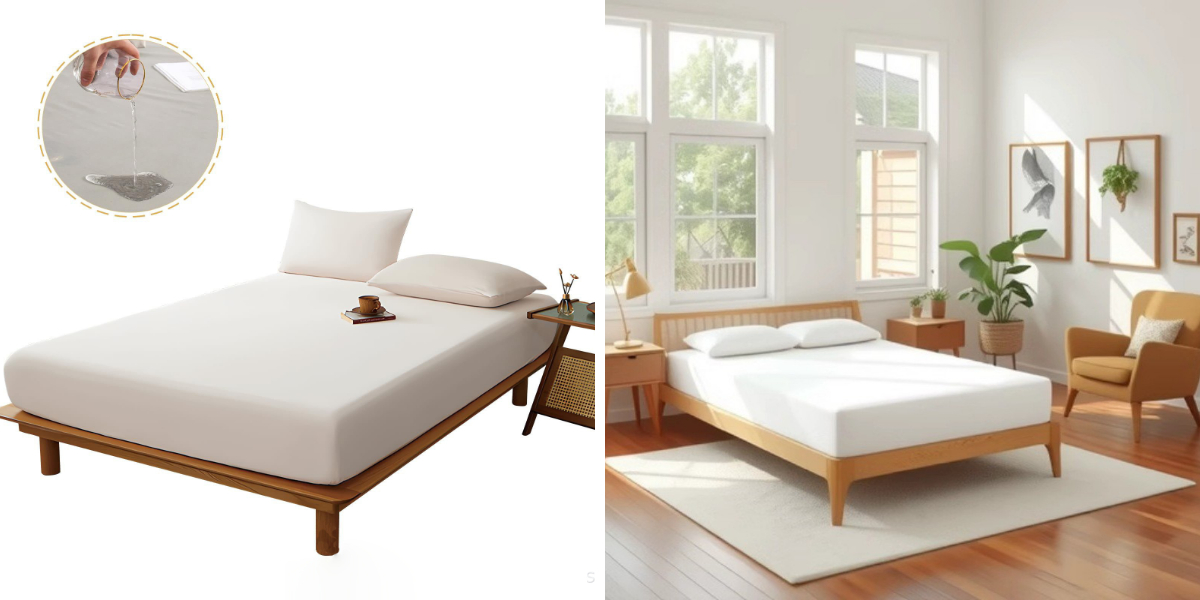
Key Features to Look For
1. Real Durability, Not Just “Thick Fabric”
Durability in a hotel environment comes from:
Tight weaving
Anti-pilling materials
Strong stitching
Fabrics designed for repeated high-temperature washing
A durable mattress cover should last dozens—ideally hundreds—of wash cycles without thinning or tearing.
2. Waterproof Protection (Without the Plastic Feel)
A waterproof mattress protector is almost a non-negotiable for hotels today. But not all waterproof layers feel the same.
Look for:
Soft TPU backing instead of noisy vinyl
Breathable layers that don’t trap heat
Smooth top fabric like microfiber or cotton
This ensures protection while keeping guests comfortable.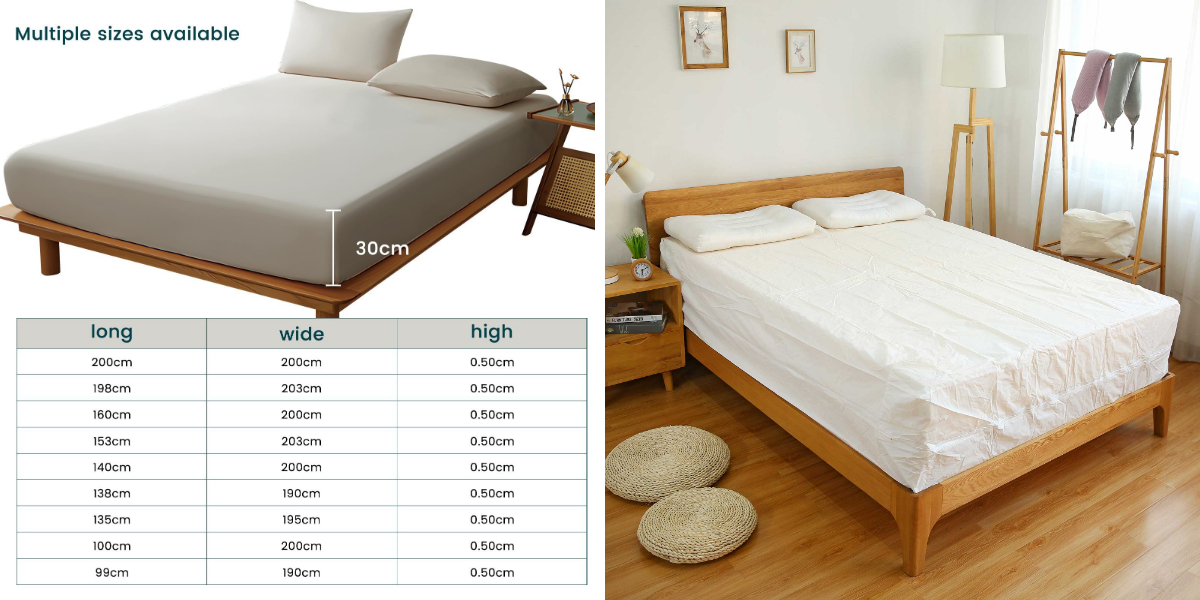
3. A Secure Fit That Stays Put
High-traffic rooms mean lots of movement. A hotel mattress cover with deep pockets and elastic edges helps housekeeping avoid constant readjusting.
Elasticated edges or a full fitted-sheet design usually performs best.
4. Easy to Wash, Quick to Dry
During busy seasons, housekeeping needs bedding that’s:
Machine washable
Resistant to shrinking
Fast-drying
Bleach-friendly (if your hotel requires sanitation cycles)
A washable hotel mattress protector can save your team hours every week.
5. Hypoallergenic Materials
Guests today often expect hypoallergenic bedding, especially in business hotels and boutique properties.
Look for covers that block:
Dust mites
Allergens
Mold
Bacteria
Adding hypoallergenic protection also improves your hotel’s hygiene standards—something guests notice in reviews.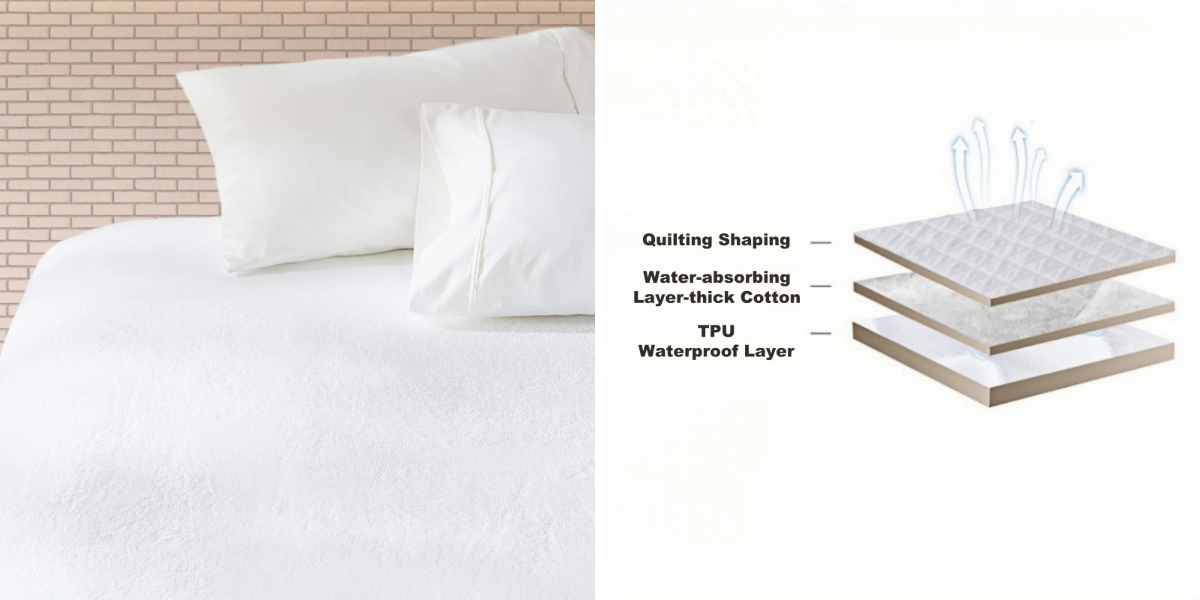
Which Materials Work Best for Hotels?
Microfiber
Lightweight
Easy to wash
Cost-effective
Soft and quiet
A solid choice for budget and mid-range hotels.
Cotton Terry
Absorbent
Comfortable
Good for waterproof layers
A popular option for boutique hotels focused on guest comfort.
Poly Knit / Blended Fabrics
Very durable
Fast drying
Great for high-volume laundry operations
Ideal for large hotels and resorts.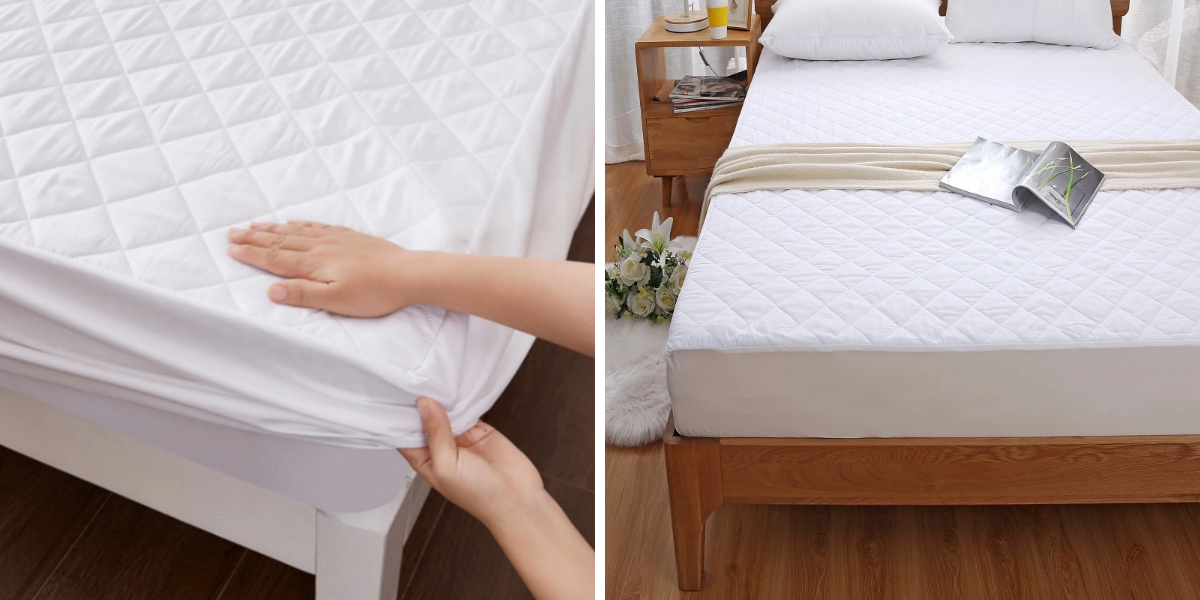
How to Choose During Peak Season
1. Prioritize Durability First
Replace or upgrade covers before peak season starts. A worn-out cover is far more likely to tear when turnover increases.
2. Stock Extra Sets
Hotels should keep at least:
3–4 sets per room during busy seasons
This prevents last-minute shortages when laundry cycles back up.
3. Standardize Across Room Types
If possible, use the same mattress protector across multiple room categories.
This makes ordering, laundry, and replacement much easier.
4. Look for Vendors That Offer Bulk Pricing
As a B2B buyer, purchasing hotel mattress covers in bulk can significantly reduce cost while ensuring consistency across rooms.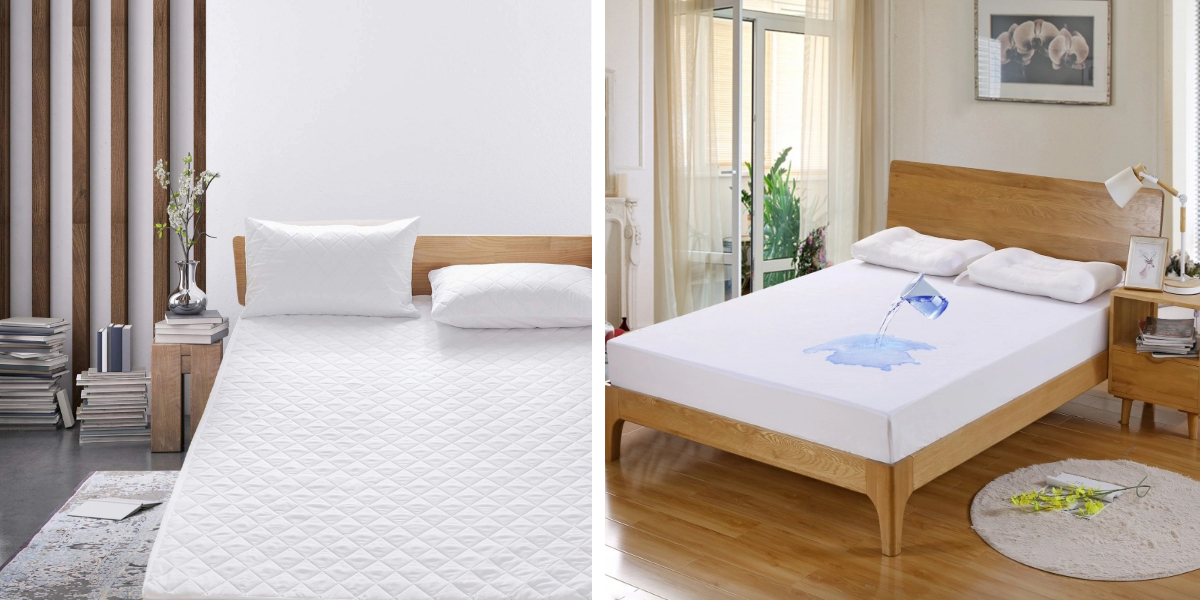
Extra Details Guests Will Appreciate
Even though guests don’t see the mattress cover itself, they do notice the results:
A fresh-smelling bed
No crinkling noise
No heat buildup
No stains on the mattress edges
Overall cleaner bedding experience
Clean bedding is one of the top factors affecting hotel reviews.
When Should Hotels Replace a Mattress Cover?
Even durable covers have a lifespan. Replace when you notice:
Thinning or stretched fabric
Peeling waterproof layer
Persistent odors
Difficult stains
Torn seams or loose elastic
Many hotel managers use a simple rule:
Replace every 12–24 months depending on occupancy levels.
Final Tips for Choosing the Right Hotel Mattress Cover
Choose materials that match your laundry conditions
Go for waterproof models for maximum protection
Don’t compromise comfort—guests feel the difference
Prioritize durability and stitching quality
Keep extra stock ready before busy seasons
Consider hypoallergenic covers for health-sensitive guests
A good hotel mattress cover is a small investment that pays off through longer-lasting mattresses and better guest satisfaction.


