Top 5 Plastic Mattress Protector Materials Compared
If you’ve ever shopped for a plastic mattress protector, you know it’s not as simple as picking the cheapest one online. Some feel soft, some feel noisy, some last years, and others crack after a few washes. Because a mattress protector is basically the only thing standing between your mattress and sweat, spills, or bedwetting accidents, choosing the right material matters more than most people think.
In this guide, I’ll walk through the five most common materials used in plastic mattress protectors, what they’re like in daily use, and who they’re best for. Think of it as a quick comparison instead of a technical breakdown.
Whether you’re a parent, renting out an Airbnb, or just trying to protect a new mattress, this will help you decide faster.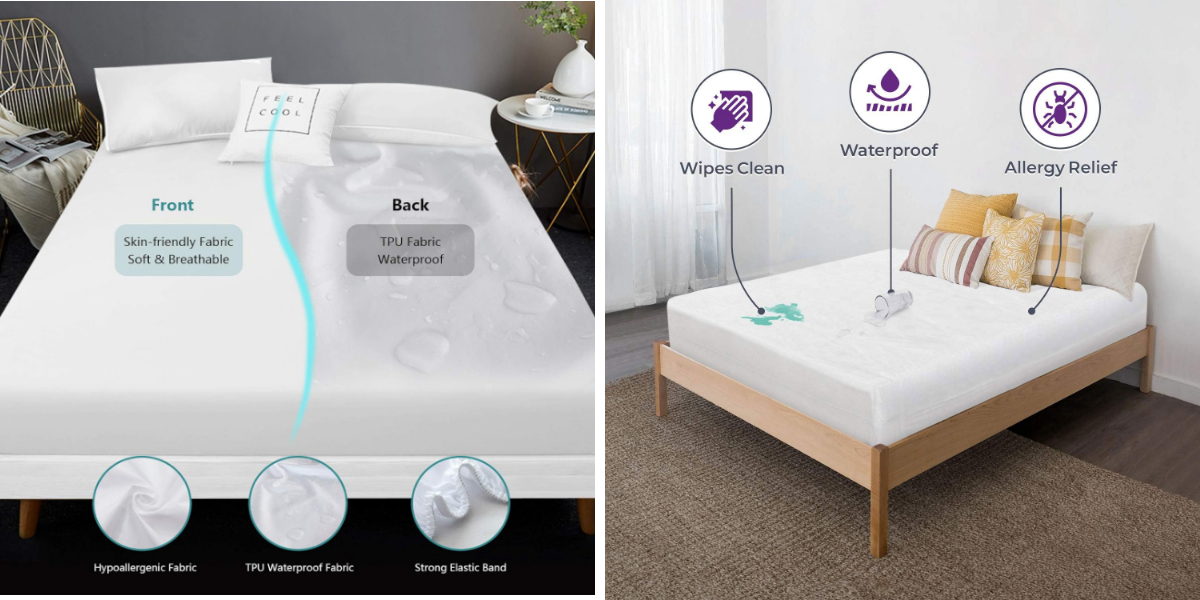
Why Material Matters in a Plastic Mattress Protector
A plastic mattress protector isn’t just “plastic.” Different plastics have different textures, waterproof levels, breathability, and comfort. The wrong one can feel sweaty or noisy, while the right one feels almost invisible under the sheets.
Material affects:
How waterproof the mattress protector is
Whether it makes noise when you move
How well it resists urine and stains
How long it lasts before cracking
Whether it has chemical smells
Comfort and breathability at night
So instead of thinking “I just need something waterproof,” it’s smarter to know which plastic works best for your situation.
1. Vinyl (PVC) – The Old-School Classic
If you’ve ever used a waterproof mattress protector before, it was probably vinyl. Vinyl (PVC) has been the go-to material for decades, especially for nursing homes, rental properties, and kids’ beds.
Pros
100% waterproof, no exceptions
Very strong against liquids and stains
Affordable price
Easy to wipe clean
Cons
Can feel warm or sweaty
Sometimes makes crinkle noises
Not the most breathable
Cheaper versions crack over time
Best For
Bedwetting protection
Elderly care
Airbnb turnover (easy cleaning)
If your priority is zero risk of leaks, vinyl mattress protectors are still unbeatable. Just don’t expect luxurious comfort.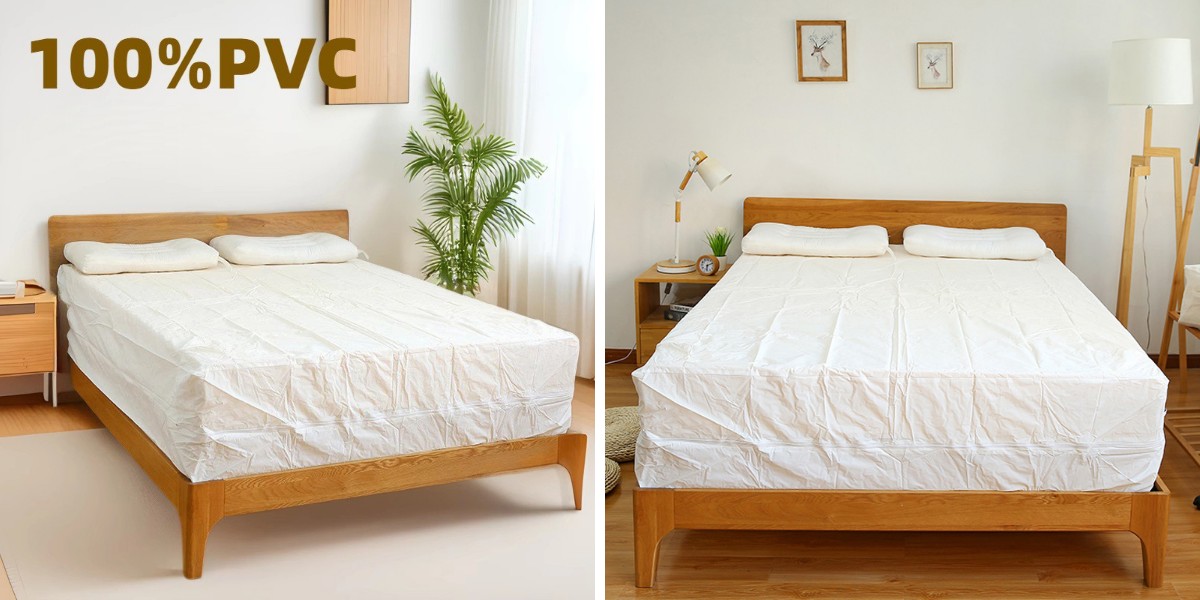
2. TPU (Thermoplastic Polyurethane) – The Modern Favorite
TPU is the new generation of plastic waterproofing. It’s thinner, lighter, softer, and much quieter than vinyl. Many “premium” plastic mattress protector listings online use TPU, even if they don’t mention it clearly.
Pros
Waterproof but breathable
No rubbery smell
Quiet when moving
Lightweight and flexible
Good durability
Cons
Higher price
Not as heavy-duty as vinyl for large spills
Best For
Daily home use
Kids transitioning out of potty training
Hot sleepers
Skin-sensitive sleepers
If you like a mattress protector that doesn’t feel plastic, TPU is the one to choose.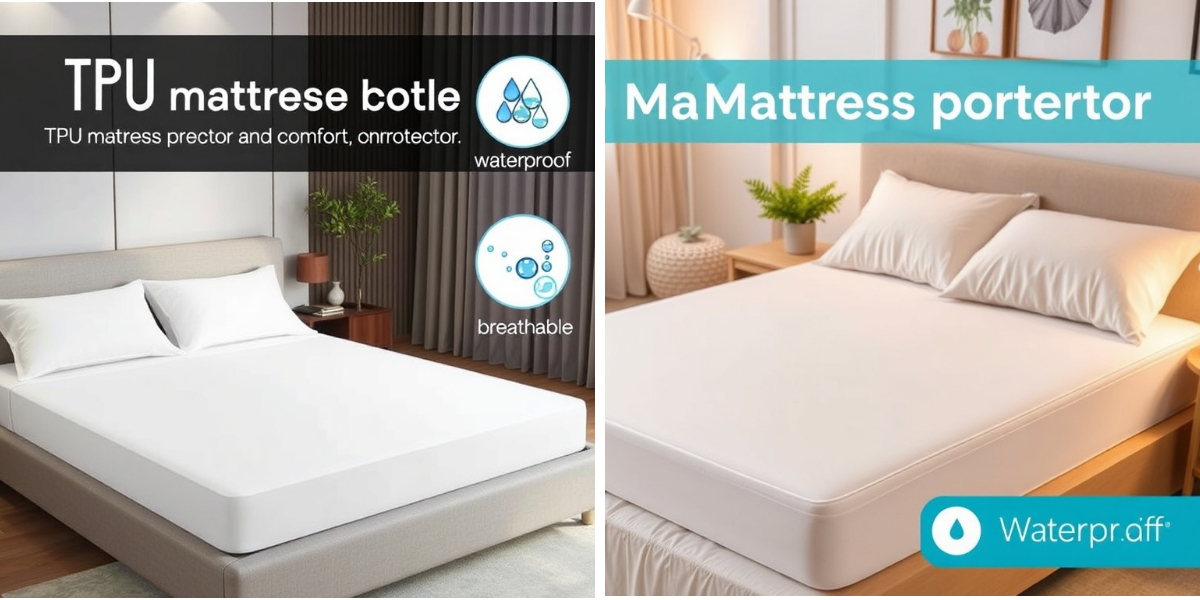
3. PEVA – Affordable and Less Chemical
PEVA is a vinyl alternative used in eco-style products like shower curtains. In plastic mattress protectors, PEVA is valued because it has a lower chlorine content and is often marketed as safer.
Pros
Affordable
More eco-positioning
No strong plastic smell
Softer than PVC
Cons
Not as tough as vinyl
Can wrinkle
Breathability is still low
Best For
Budget protection
Guest beds
Short-term usage scenarios
If you just need a mattress protector for occasional guests or temporary protection, PEVA is a simple pick.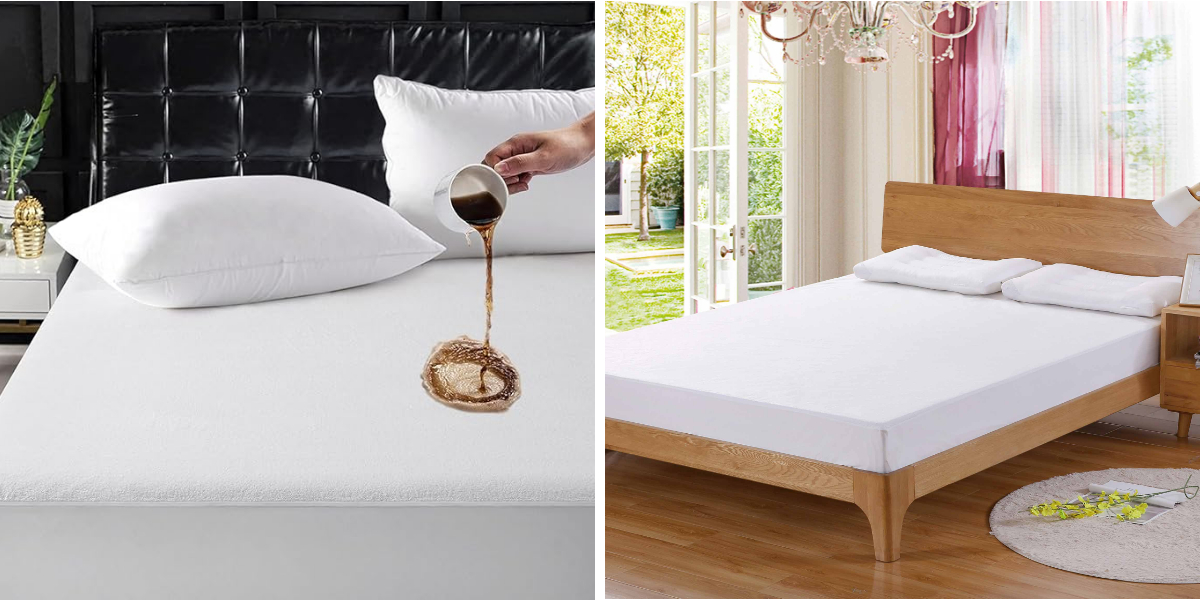
4. LDPE – Soft and Lightweight Plastic
LDPE is not the first thing people think of when it comes to mattress protectors, but it shows up in lightweight waterproof covers and medical protectors. It has a very soft feel compared to stiff PVC.
Pros
Soft touch
Affordable
Quiet compared to PVC
Cons
Can stretch or tear easier
Not ideal for constant bedwetting
Slightly lower waterproof rating
Best For
Children who don’t like noisy covers
Light protection
Homes in humid climates
LDPE gives a plastic mattress protector a gentle feel, but it’s not for heavy use.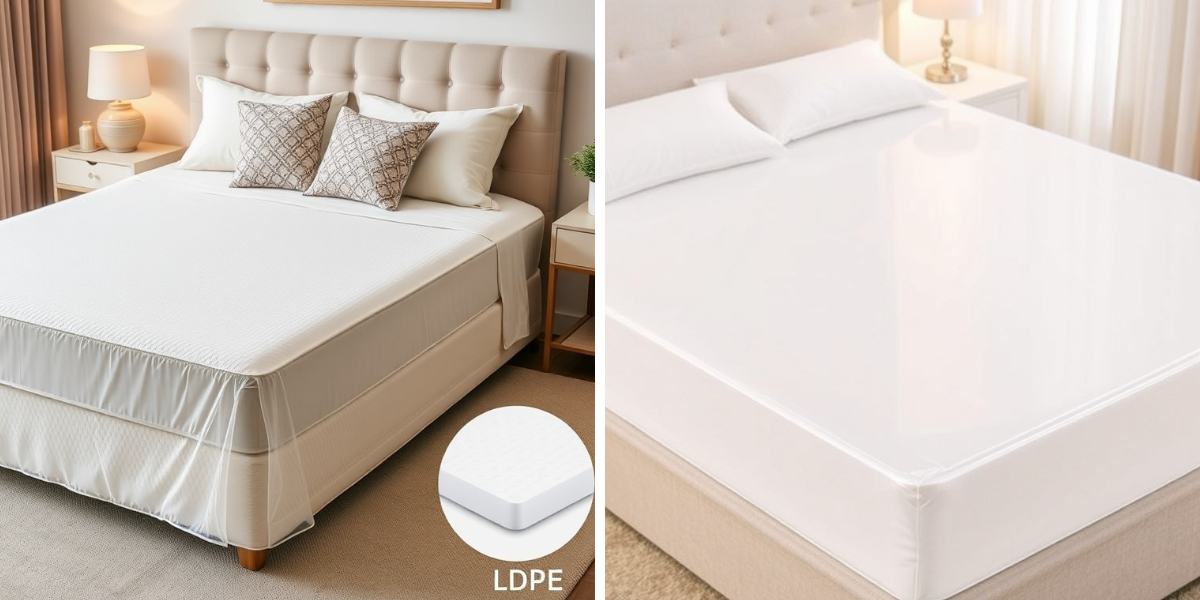
5. Multi-Layer Composite – Premium Hybrid Structure
This is where mattress protector design gets interesting. A lot of premium brands don’t rely on just one material. They use a composite structure: for example, soft knit fabric on top and TPU waterproofing underneath.
That means you get fabric comfort with plastic waterproof protection.
Pros
Feels like a normal bed cover
Almost silent
Good airflow
Strong waterproofing
Cons
Higher price
Harder to clean than fully plastic ones
Not wipeable
Best For
Long-term daily use
Hotels that want comfort
People who sweat at night
If you want the feel of a regular mattress cover while still getting plastic-grade waterproofing, the composite structure is ideal.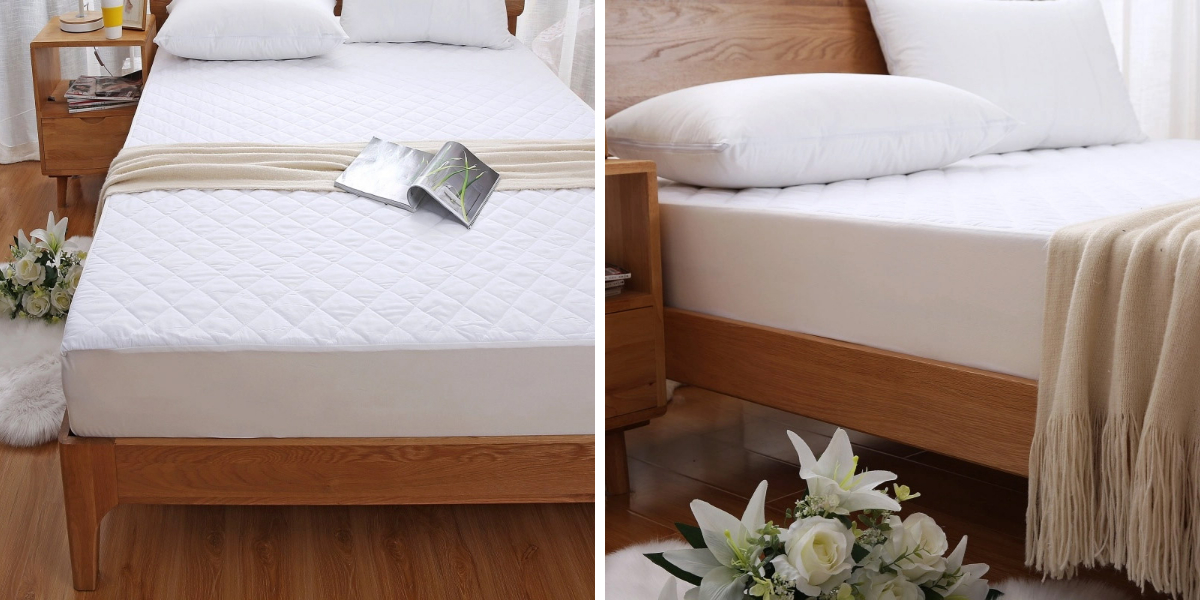
Which Plastic Mattress Protector Is Best?
It depends on your priorities more than anything.
For heavy protection:
Choose Vinyl / PVC. It’s the most reliable when dealing with bedwetting, large spills, or care environments.
For everyday comfort:
Choose TPU. It’s soft, quiet, and makes a plastic mattress protector feel invisible on the bed.
For eco value:
Choose PEVA if you want something simple without the strong smell of vinyl.
For temporary use:
Choose LDPE for a quiet, lightweight solution.
For premium sleep:
Choose multi-layer composite for a mattress protector that feels like fabric first and plastic second.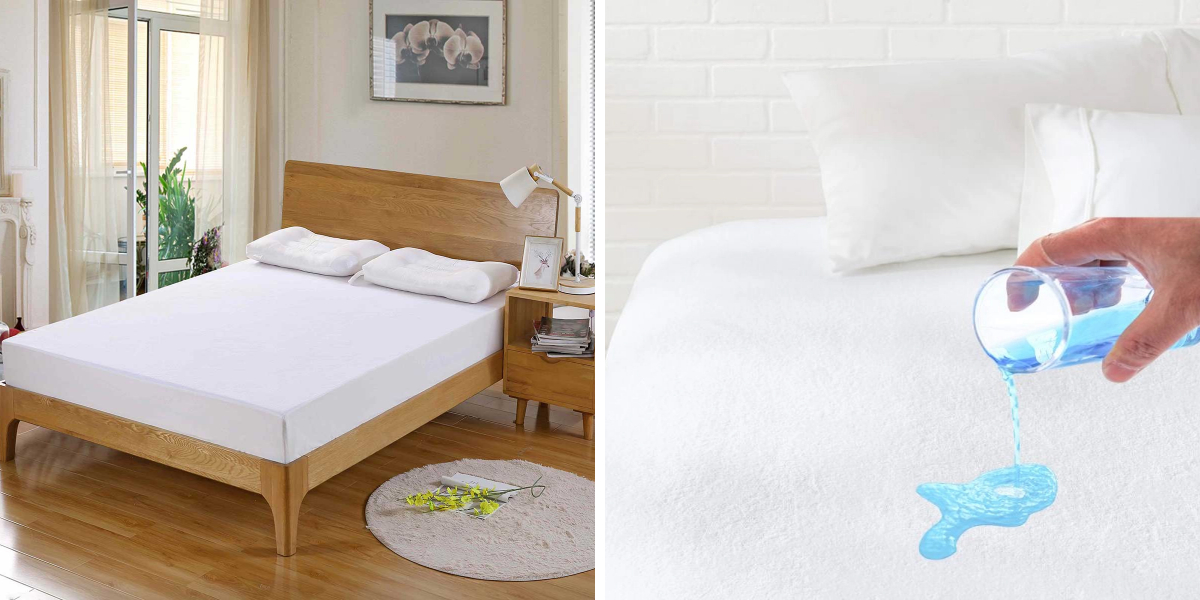
Tips for Choosing the Right Mattress Protector
Here are a few quick notes to make shopping easier:
1. Always Check the Thickness
Thin plastic can tear. Too thick feels stiff. A balanced thickness helps the protector last longer.
2. Look for Deep Pocket Corners
A mattress protector that fits loose will move around.
3. Consider Noise
If you’re a light sleeper, TPU or composite is much quieter.
4. Wash Care Matters
Plastic protectors last longer with gentle washing or wipe clean methods. High heat can damage TPU and PEVA.
5. Think About Breathability
If you sleep hot, avoid thick PVC. Look for breathable mattress protector designs.
Final Thoughts
A good plastic mattress protector shouldn’t make you feel like you’re sleeping on a hospital bed. Modern materials have improved a lot, and you can find a waterproof solution that fits your budget and sleep style. Vinyl works for heavy-duty protection, while TPU and composite structures are where comfort meets performance.
In the end, the best mattress protector is the one you don’t notice until the moment you really need it.