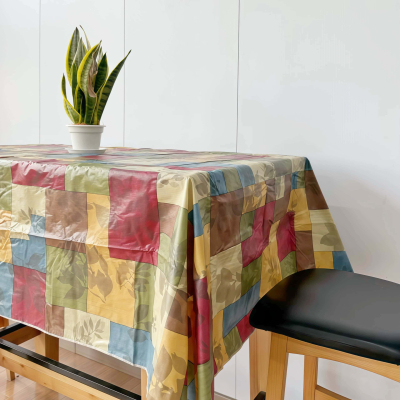
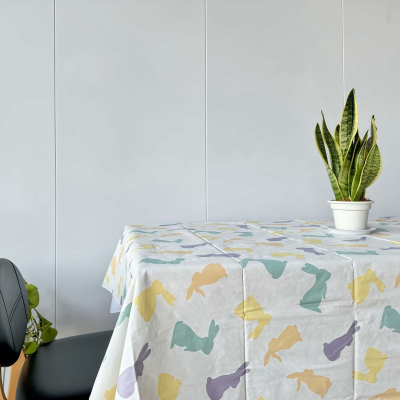
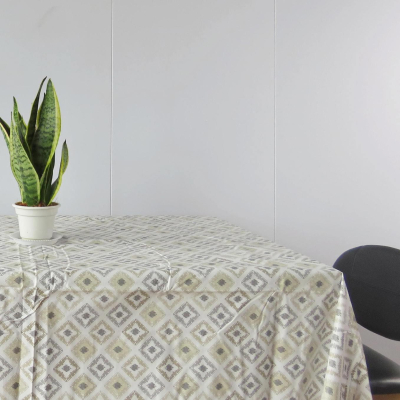
Custom Tablecloths for Outdoor and Indoor Use: What to Consider
Most people don’t think too much about a tablecloth until they actually need one that works.
Maybe it’s for an event. Maybe it’s for a business. Maybe it has to look good and survive more than one use.
That’s usually when custom tablecloths come into the picture.
Indoor and outdoor use may sound similar, but in reality, they’re very different situations. The same tablecloth that looks perfect inside a conference hall might be annoying to deal with outside in the wind. And something made for outdoor use might feel too stiff for an indoor setting.
If you’re trying to figure out what makes sense for your situation, here are a few things worth thinking about before ordering custom tablecloths.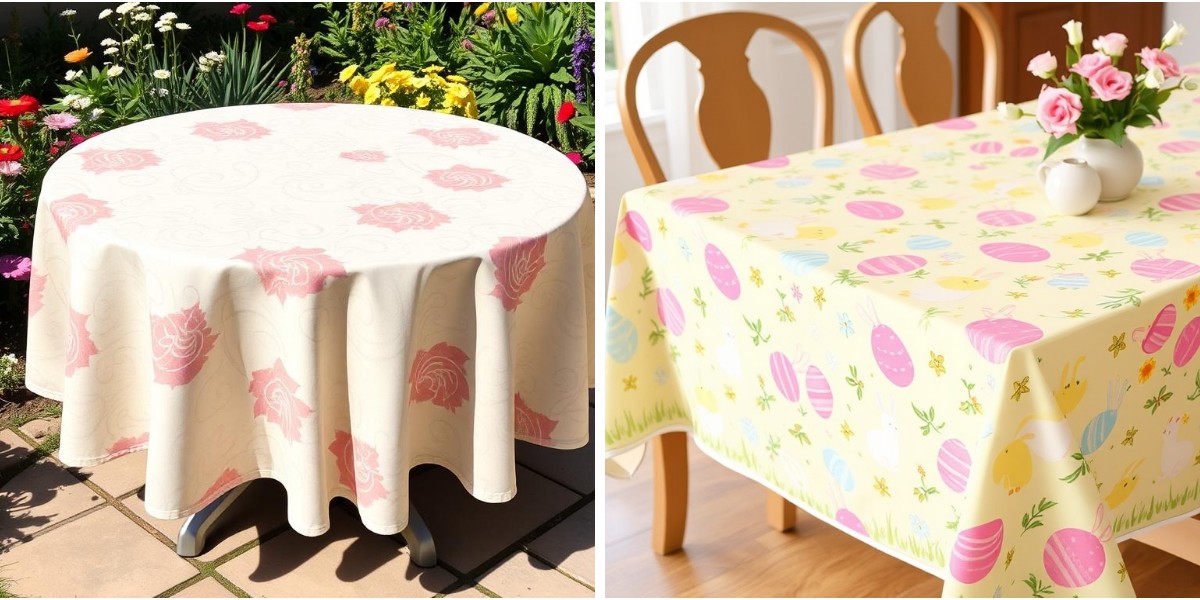
Indoor Use Is Mostly About Look and Fit
Indoor spaces are controlled. No wind, no rain, no direct sun. Because of that, people notice details more.
In places like restaurants, hotels, weddings, or trade show halls, the tablecloth is part of the overall look. If it’s wrinkled, uneven, or slightly off-size, it stands out in a bad way.
That’s one reason indoor custom tablecloths are usually fabric-based. Polyester is common, not because it’s fancy, but because it behaves well. It hangs straight, holds color, and doesn’t wrinkle as badly as some natural fabrics.
Fit also matters more indoors. A tablecloth that’s too short can look unfinished. One that’s too long can look sloppy. With a custom tablecloth, you can control the drop length so the table looks intentional, not improvised.
Outdoor Use Is Less Forgiving
Outdoor use is where problems show up fast.
Wind is usually the first issue people notice. A lightweight fabric tablecloth that works fine indoors can turn into a constant distraction outside. It shifts, lifts, or folds over itself.
That’s why outdoor custom tablecloths are often heavier or designed to stay in place. Fitted styles are popular for this reason. They don’t move much, even when the weather changes.
Moisture is another factor. Outdoor tables get spills, condensation, and sometimes unexpected rain. A regular fabric tablecloth will absorb that. Vinyl or coated materials won’t.
For markets, fairs, and outdoor promotional events, easy cleanup often matters more than how soft the fabric feels.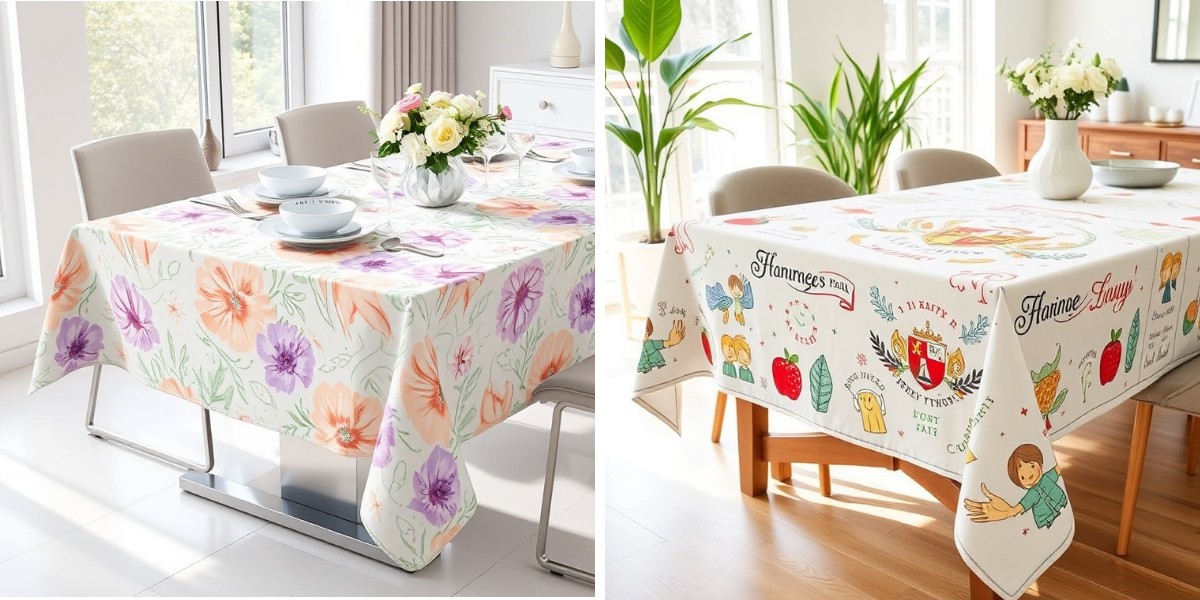
Material Choice Makes or Breaks the Experience
This is where many buyers get stuck.
Fabric tablecloths feel better and usually look more natural indoors. Vinyl tablecloths are practical and easy to clean, especially outdoors. Neither option is “better” in general. It really depends on how the tablecloth will be used.
Some people try to use one custom tablecloth for everything. That can work, but it’s usually a compromise. A coated polyester fabric is often the middle ground. It still looks like fabric, but it handles light moisture better than standard fabric.
If branding is involved, printing quality matters too. Indoor lighting tends to highlight details, so printing needs to be clean and accurate. Outdoor use puts more stress on the print, so durability becomes more important than perfect color matching.
One Tablecloth, Multiple Uses?
It’s a common question.
If you only need one tablecloth and plan to use it both indoors and outdoors, go for something practical. Medium-weight polyester, decent thickness, and solid construction.
It may not be the most elegant tablecloth indoors, and it may not be the toughest outdoors, but it will be usable in both settings.
Businesses that use tablecloths often end up ordering different styles for different situations. One for clean indoor displays, another for outdoor or high-traffic use. Over time, that usually makes more sense.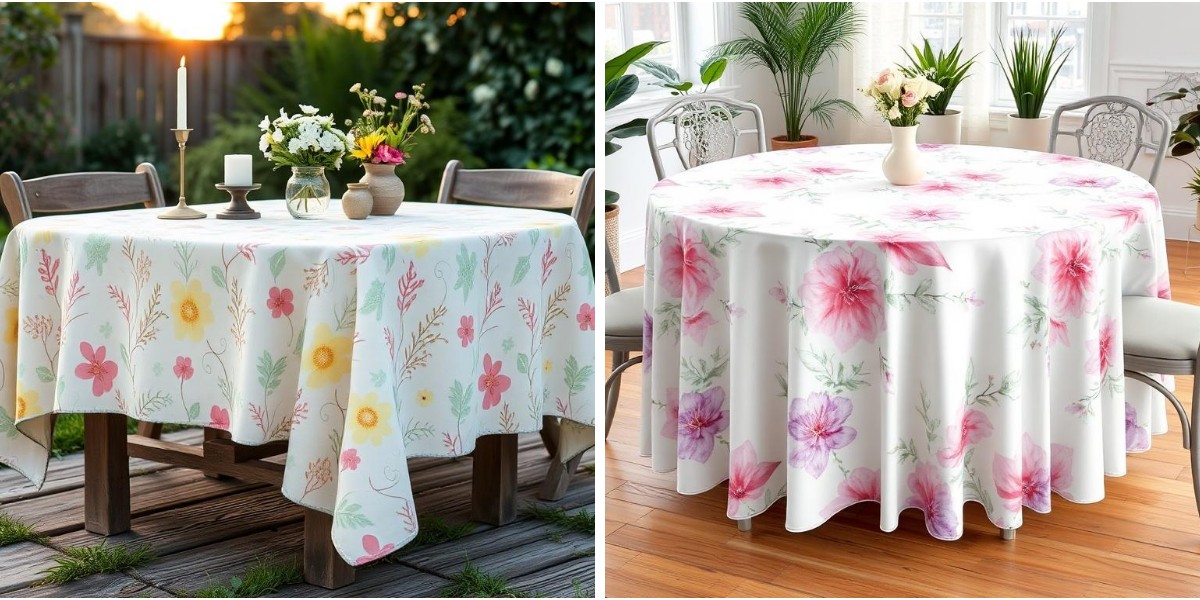
Size and Shape Are Easy to Get Wrong
Even good material won’t help if the tablecloth doesn’t fit.
Tables aren’t always standard, especially for outdoor use. Folding tables, round tables, and display tables all vary more than people expect.
With custom tablecloths, measuring matters. Knowing the table height is just as important as knowing the top size. A tablecloth that touches the ground might look nice indoors, but outdoors it can drag, get dirty, or cause people to trip.
Shorter drops are often more practical outside. Indoors, longer drops usually look cleaner.
Cleaning Is Part of the Decision
A tablecloth that looks great but is hard to clean quickly becomes a problem.
Fabric tablecloths usually need washing. That’s fine for occasional use, but not ideal for daily or frequent setups. Vinyl and coated tablecloths can be wiped down on the spot, which saves time.
For restaurants, rental companies, or event organizers, this is often a deciding factor when choosing custom tablecloths.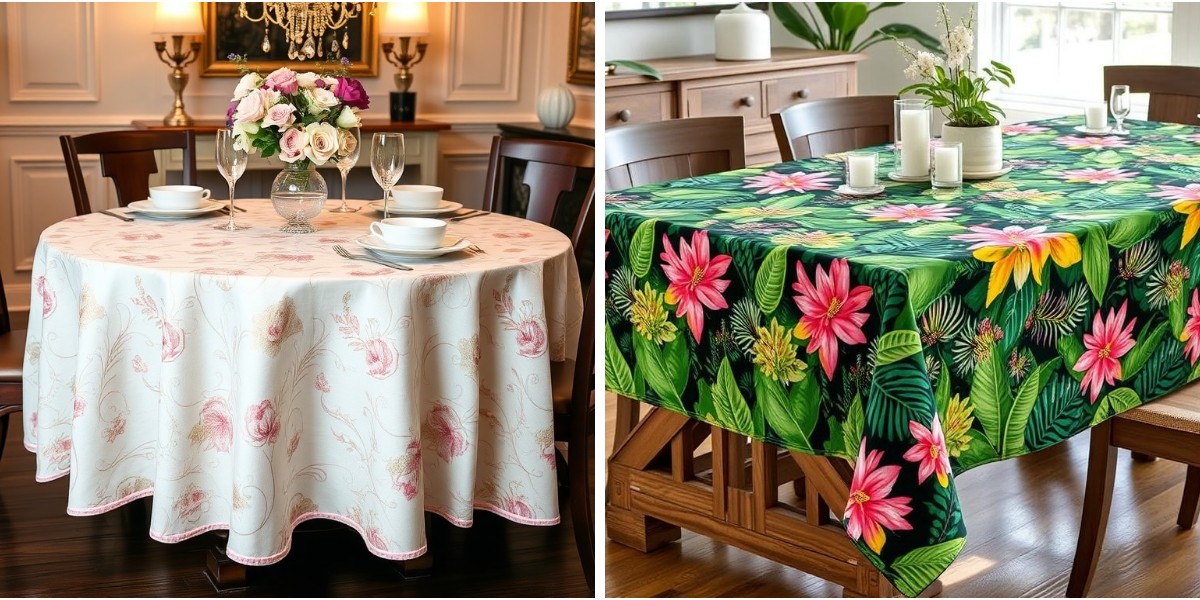
Cost Isn’t Just About the Price Tag
Custom tablecloths vary a lot in price, and it’s not only about material.
Size, printing method, and order quantity all matter. A larger tablecloth uses more material. A printed logo adds cost. Bulk orders usually reduce the unit price.
Indoor tablecloths may cost more initially but last longer if handled properly. Outdoor tablecloths are often replaced sooner because of wear, even if they’re more durable.
Thinking long-term usually leads to better decisions than focusing only on upfront cost.
Final Thoughts
There’s no single “best” option when it comes to custom tablecloths. Indoor and outdoor use demand different things from a tablecloth, and trying to ignore that usually leads to disappointment.
If you’re clear about where the tablecloth will be used, how often, and what matters most—appearance, durability, or ease of cleaning—you’ll end up with a tablecloth that actually works instead of one that just looks good in photos.