When a Mattress Encasement Makes More Sense Than a Mattress Cover
If you’re shopping for a mattress protector, chances are you’ve already noticed one thing: the options can get confusing fast. Mattress covers, pads, protectors, encasements—it all starts to blur together after a while.
At some point, most people end up asking the same question:
Do I really need a mattress encasement, or is a regular mattress protector enough?
The short answer is: it depends.
The longer answer is what this article is really about.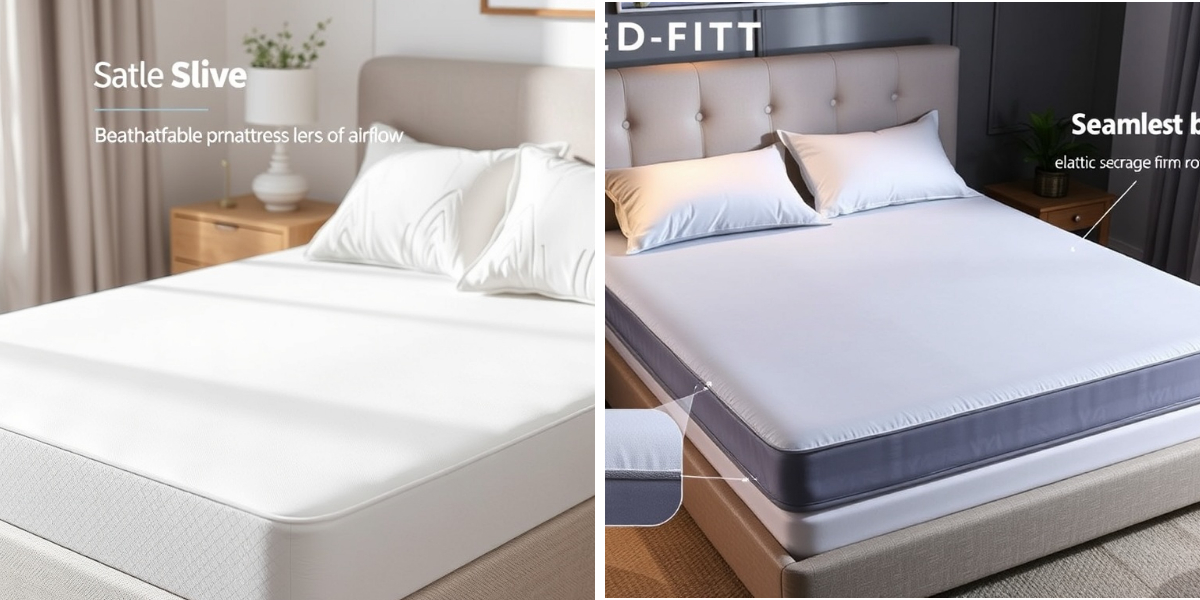
Mattress Protector vs Mattress Encasement: Why the Confusion?
A mattress protector usually covers the top of your mattress. It fits like a fitted sheet, comes off easily, and goes straight into the wash. For everyday life, that’s often all people want.
A mattress encasement is different. It wraps around the entire mattress and zips shut. Once it’s on, it’s not something you remove every week. It’s more of a “set it and forget it” layer.
Both are technically mattress protectors. They just protect in very different ways.
When a Mattress Encasement Actually Makes More Sense
You care about what happens under the mattress, not just on top
Most messes don’t politely stay on the surface. Over time, dust settles underneath, moisture sneaks in from the sides, and things you don’t see start building up inside the mattress.
A mattress encasement seals all six sides. Nothing gets in easily, and nothing leaks out either. If your goal is long-term mattress protection—not just keeping sheets clean—this kind of full coverage starts to make sense.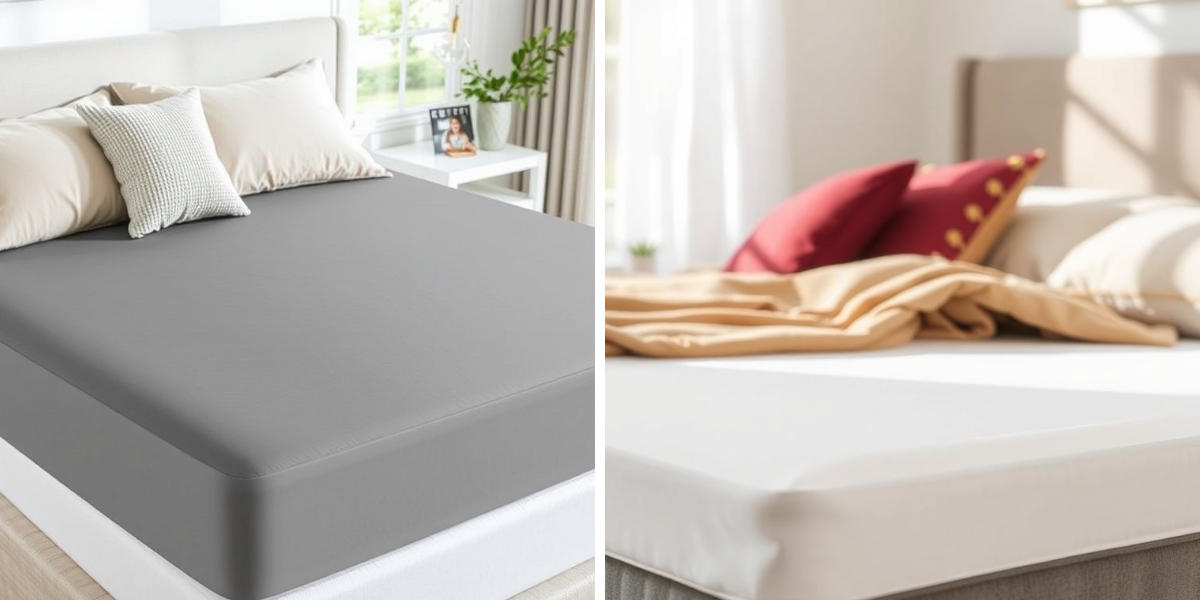
Allergies are part of your daily life
If you deal with allergies, you’ve probably already tried washing sheets more often, using air purifiers, or switching pillows.
What many people don’t realize is that mattresses are one of the biggest dust mite hotspots in the bedroom. A standard mattress protector helps a little, but it still leaves the sides and bottom exposed.
A mattress encasement for allergies creates a barrier that dust mites can’t pass through. Once it’s zipped on, the mattress is no longer part of the problem.
Bed bugs are a concern—even if it’s just “just in case”
No one likes talking about bed bugs, but they’re one of the main reasons mattress encasements exist.
A bed bug mattress encasement helps by sealing the mattress completely. Bugs can’t hide inside it, and if any are already there, they’re trapped. It’s not a magic fix, but it’s one of the first things professionals recommend.
This is one situation where a regular mattress protector simply isn’t designed to help.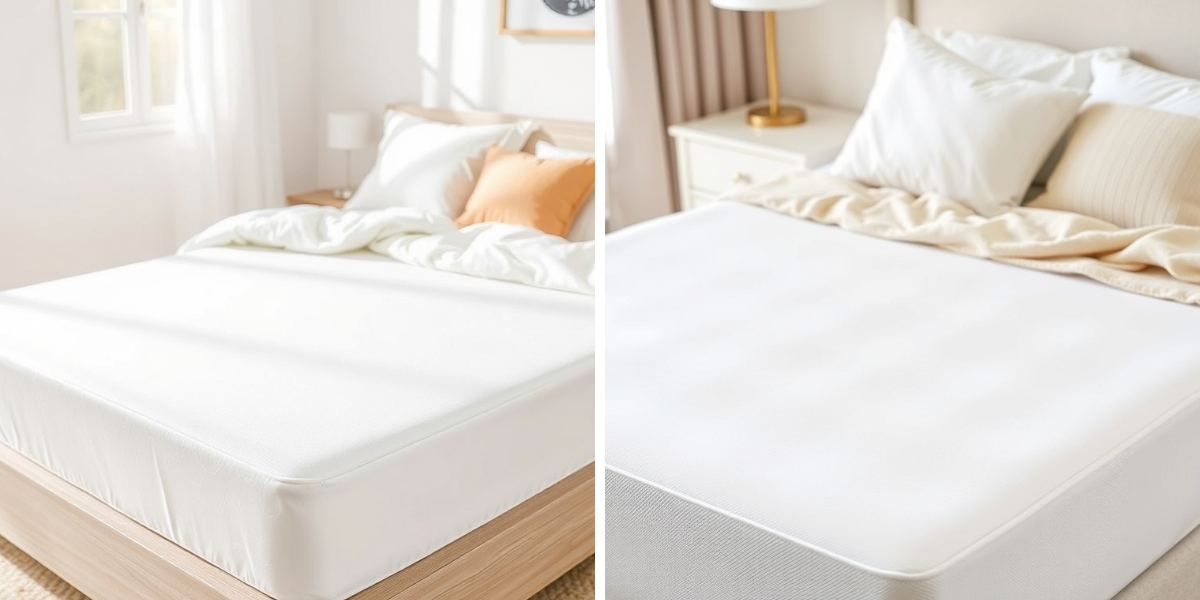
Waterproof really needs to mean waterproof
Some mattress protectors claim to be waterproof, but only on the top layer. That’s fine for small spills, but not ideal for kids’ beds, guest rooms, or long-term use.
A waterproof mattress encasement blocks liquid from every direction. If something spills, leaks, or soaks through, the mattress itself stays untouched.
For many people, that extra peace of mind is worth the switch.
When a Regular Mattress Protector Is Still the Better Option
All that said, a mattress encasement isn’t always necessary.
A traditional mattress protector might be the better choice if:
Comfort is your top priority
You like removing and washing it frequently
You don’t have allergy or pest concerns
For everyday use, especially on a new mattress, a fitted mattress protector is often simpler and more convenient.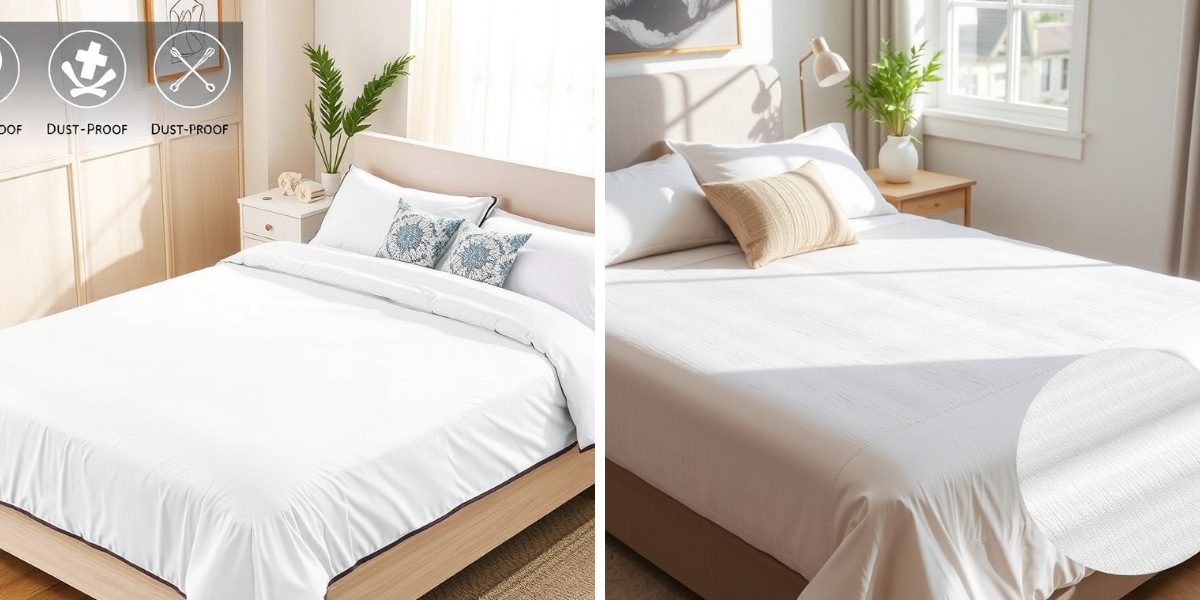
Does a Mattress Encasement Make the Bed Feel Different?
This is one of the biggest concerns people have—and it’s fair.
Older encasements used to feel stiff or sound crinkly. Newer ones are much better, especially when made with soft knit fabrics and breathable waterproof layers.
That said, many people use a thin mattress protector over the encasement. The encasement handles deep protection, while the outer mattress protector keeps the surface feeling familiar.
What to Look for in a Good Mattress Encasement
If you decide to go this route, a few details matter more than others:
A smooth, durable zipper
Quiet, breathable waterproof material
Proper depth so it fits without stretching
Fabric that doesn’t trap heat
A good mattress encasement shouldn’t draw attention to itself once it’s on the bed.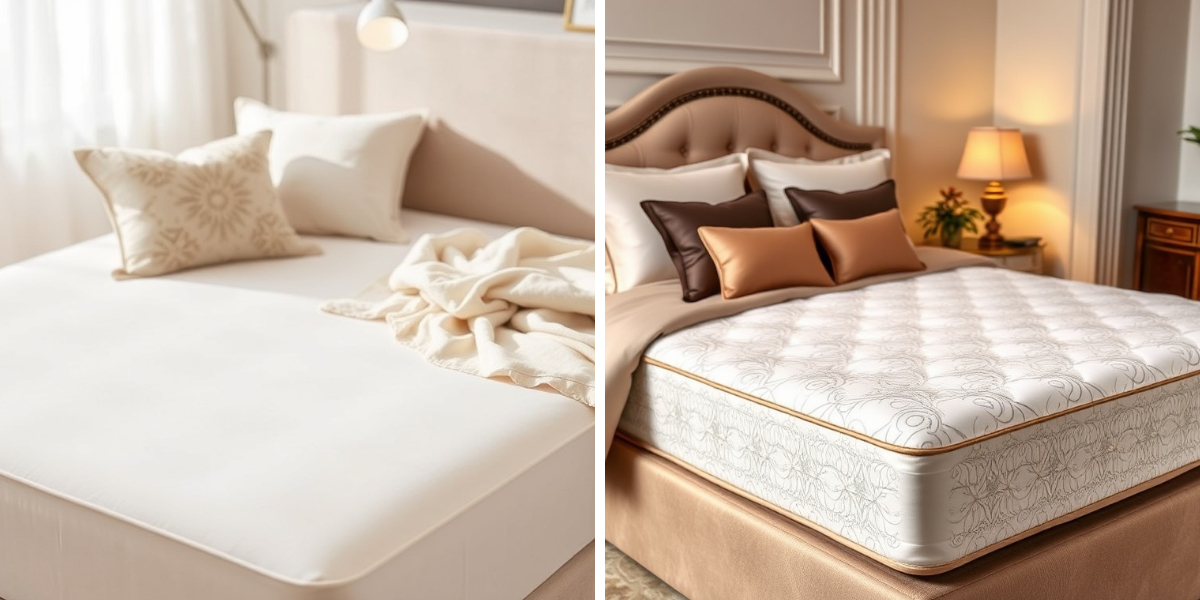
So, Which One Should You Choose?
If your main goal is basic cleanliness, a standard mattress protector does the job. It’s easy, comfortable, and practical.
But if you’re thinking long-term—protecting against allergens, moisture, or pests—a mattress encasement often makes more sense. It’s not about replacing a mattress protector. It’s about knowing when full coverage is actually worth it.