How Designers Use Colorful Tablecloths to Create Visual Balance
If you spend enough time around designers, you’ll notice something interesting. When a dining space feels “off,” they don’t always start with the big stuff. Not the table. Not the chairs. Sometimes they look down and say, “Let’s change the tablecloth.”
It sounds simple, but a tablecloth, especially a colorful tablecloth, does more than people expect. It changes how the whole room feels, even when nothing else moves.
Designers think in layers. And the table is one of the strongest layers in any dining space.
Why the Table Gets So Much Attention
The dining table sits right in the middle of things. You walk past it. You sit around it. Your eyes land on it without trying.
That’s why designers often treat the tablecloth as a visual anchor. If the room feels cold, a colorful tablecloth can soften it. If everything feels too beige or too safe, color adds life without turning the space upside down.
Unlike furniture or paint, a tablecloth is easy. You can change it next week if you don’t like it. Designers love that kind of flexibility.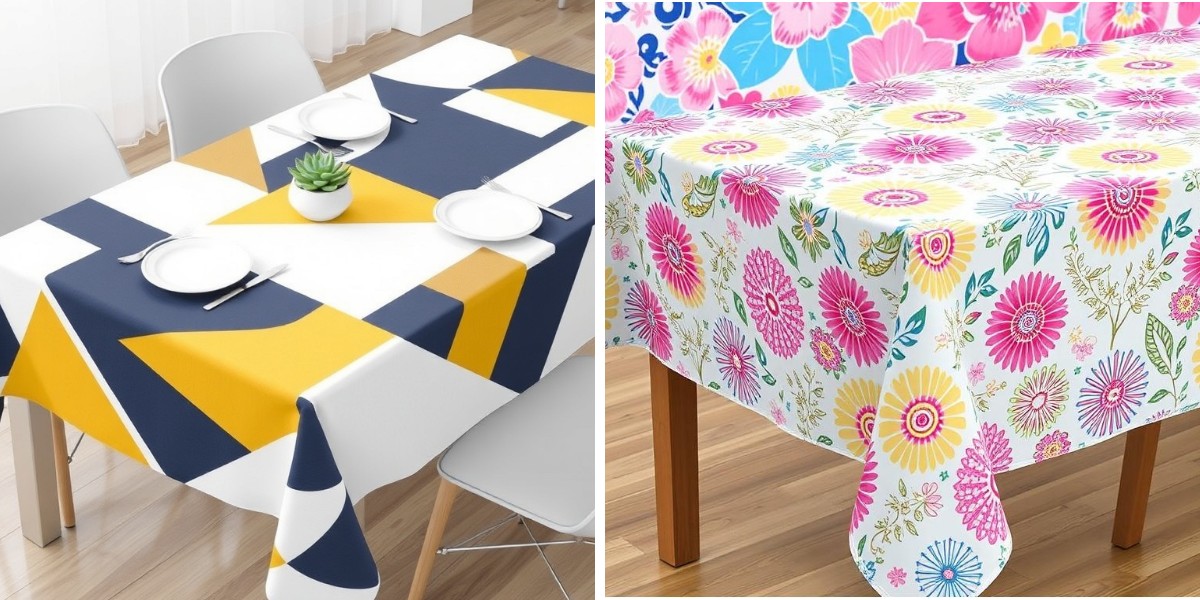
Color Doesn’t Have to Be Loud
A lot of people hear “colorful” and imagine something bright or busy. Designers usually don’t.
Most of the colorful tablecloths they use are actually pretty calm. Think muted blues, warm greens, faded reds, or soft patterns that only show up when you look closely.
The goal isn’t to make the table shout. It’s to give the room something to lean on visually.
In very neutral spaces, even a slightly colorful tablecloth can make everything else feel more intentional.
Neutral Rooms Are the Easiest to Fix
If a room is already full of color, designers tend to slow down. But neutral rooms? That’s where a colorful tablecloth works best.
White walls, wood tables, simple chairs—these spaces can feel unfinished without anyone knowing why. Drop a colorful tablecloth on the table and suddenly the room has a center.
Designers often choose:
One main color instead of many
Subtle patterns instead of bold prints
A tablecloth that looks soft, not stiff
It keeps the space relaxed, not styled to death.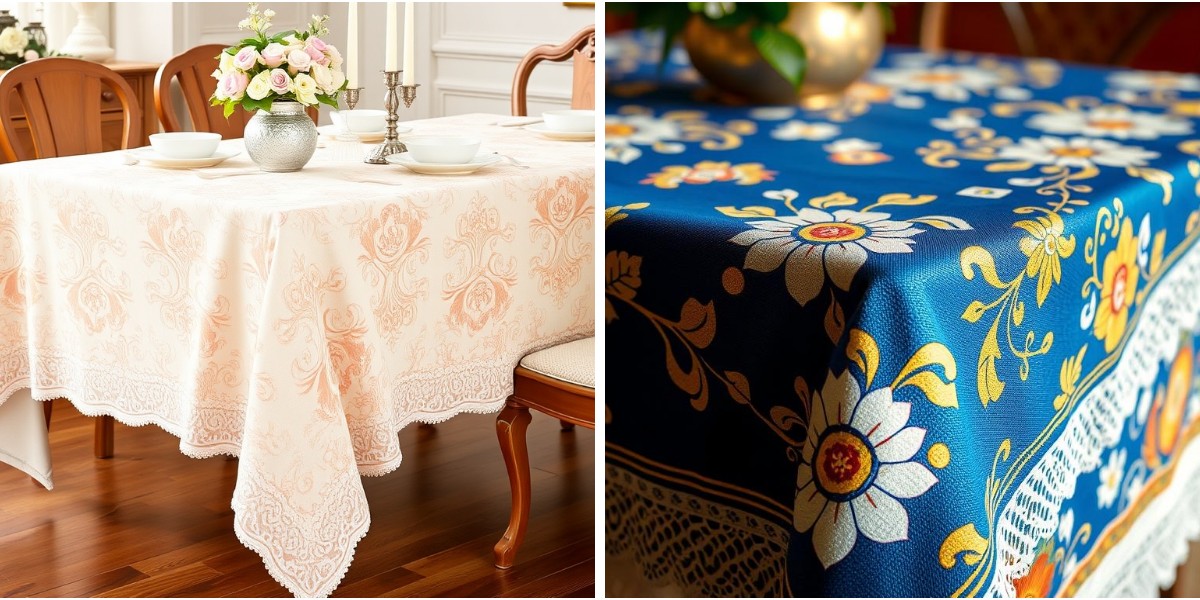
Patterns, Solids, and Everything in Between
There’s no strict rule here. Designers decide based on what the room already has.
If the chairs, rug, or floor already have strong patterns, a solid tablecloth usually makes more sense. It gives the eyes somewhere to rest.
If everything else is plain, a patterned colorful tablecloth adds just enough movement. Not decoration for decoration’s sake—more like texture.
Most designers would rather use a pattern that feels slightly imperfect than something too clean or sharp.
Material Changes the Color More Than You Think
Color on a screen is one thing. Color on a tablecloth is another.
A fabric tablecloth absorbs light. Colors look softer, more natural. That’s why designers like fabric for everyday dining spaces.
A vinyl tablecloth reflects more light. Colors feel cleaner, sometimes brighter. That can be useful in kitchens, cafés, or places where easy cleaning matters.
Same color, different material—very different feeling.
This is something designers pay attention to, even if they don’t always explain it.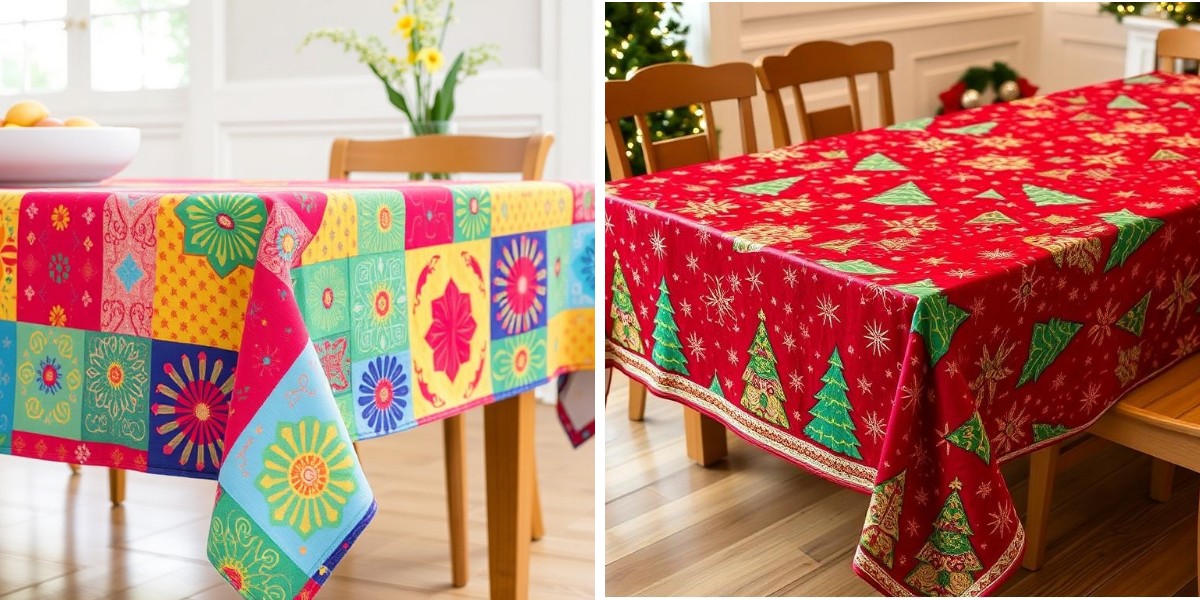
Designers Use Tablecloths to Adjust the Mood
Instead of redoing an entire room, designers often rotate tablecloths.
A lighter colorful tablecloth in warmer months. Something deeper when the weather cools down. Not seasonal decorations, just quiet shifts.
It’s one of the easiest ways to keep a space from feeling stuck.
That’s also why tablecloths are popular in restaurants and shared spaces. They change the mood without changing the furniture.
Making Color Look Like It Belongs There
Here’s a small designer habit that makes a big difference: repetition.
If the tablecloth has color, that color usually shows up somewhere else too. Maybe in a napkin. Maybe in a small detail on the wall. Maybe in flowers on the table.
Not matching. Just repeating.
That’s how a colorful tablecloth stops feeling random and starts feeling like part of the room.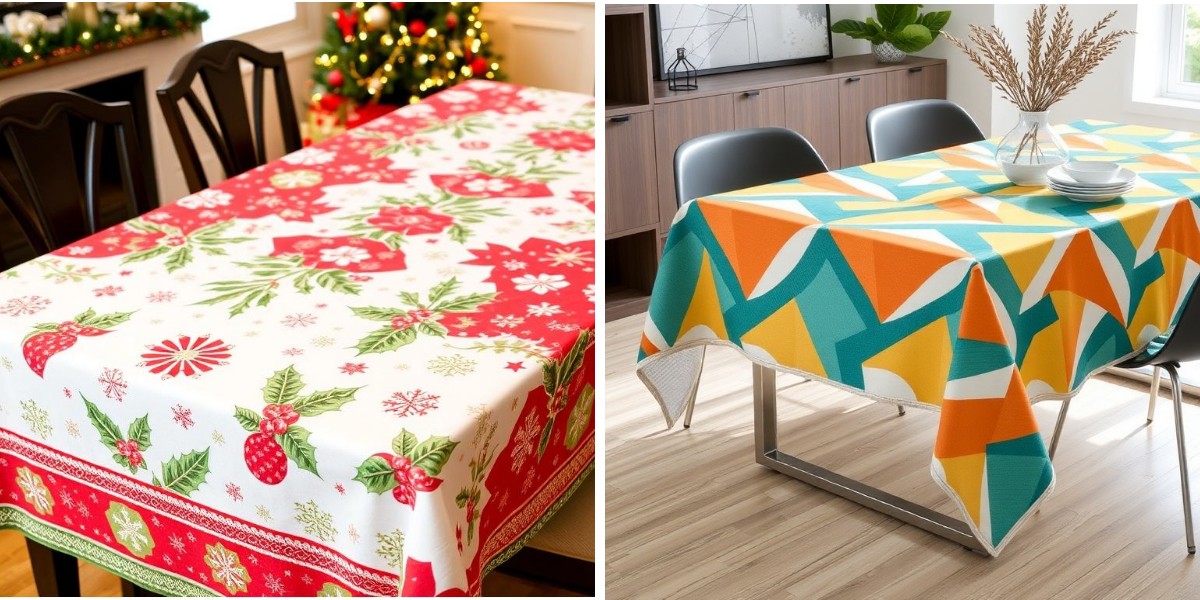
Everyday Tables Deserve Color Too
A lot of people save colorful tablecloths for holidays or guests. Designers don’t.
They use color for everyday meals. Breakfasts. Quick dinners. Real life.
A tablecloth doesn’t have to be precious. With the right material, it can handle spills, messes, and daily use without stress.
Color makes everyday moments feel warmer. That’s something designers understand well.
Final Thought
Designers don’t see tablecloths as decoration. They see them as tools.
A colorful tablecloth can balance a space, soften it, or give it focus—without asking for a big commitment.
That’s why, when something feels off in a dining room, the fix is sometimes as simple as changing what’s on the table.