Breathable vs Waterproof Mattress Protection: Can You Have Both?
Let’s be honest.
When most people look for a mattress protector, they’re not thinking about airflow or materials. They’re thinking, “I just don’t want my mattress ruined.”
Spills happen. Sweat happens. Accidents happen. That’s why waterproof mattress protection is usually the first thing people search for.
But then comes the next worry—Is this thing going to sleep hot? Is it going to feel like plastic?
That concern is fair. A lot of older mattress protectors really were uncomfortable. The good news is, things have changed.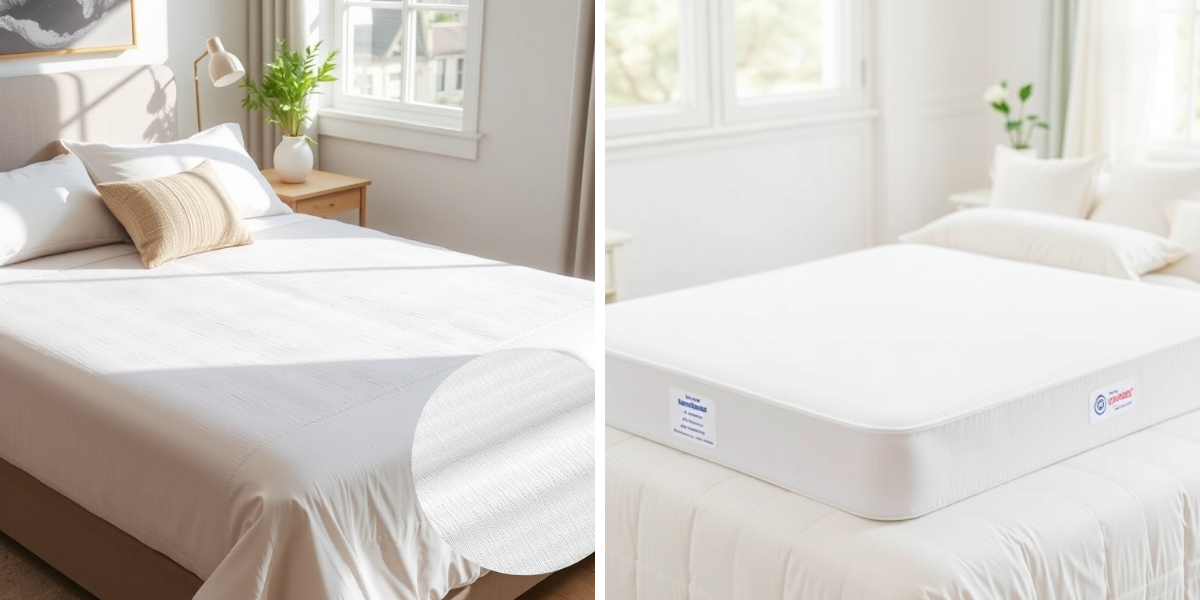
Why People Even Use Mattress Protectors in the First Place
Mattresses aren’t cheap, and once liquid gets inside, it’s basically game over.
A mattress protector is there to handle real life:
Drinks spilled in bed
Night sweat (more common than people admit)
Kids, pets, and unexpected messes
Everyday moisture you don’t even notice
That’s why waterproof mattress protection isn’t just for kids’ beds or hospitals anymore. It’s for normal bedrooms, too.
The “Waterproof = Uncomfortable” Reputation
If you’ve ever slept on an old vinyl protector, you already know why people complain.
They were:
Hot
Stiff
Noisy when you moved
Very obviously “plastic”
Sure, they blocked liquid. But comfort clearly wasn’t part of the plan. A lot of people still picture that experience when they hear “waterproof mattress protector.”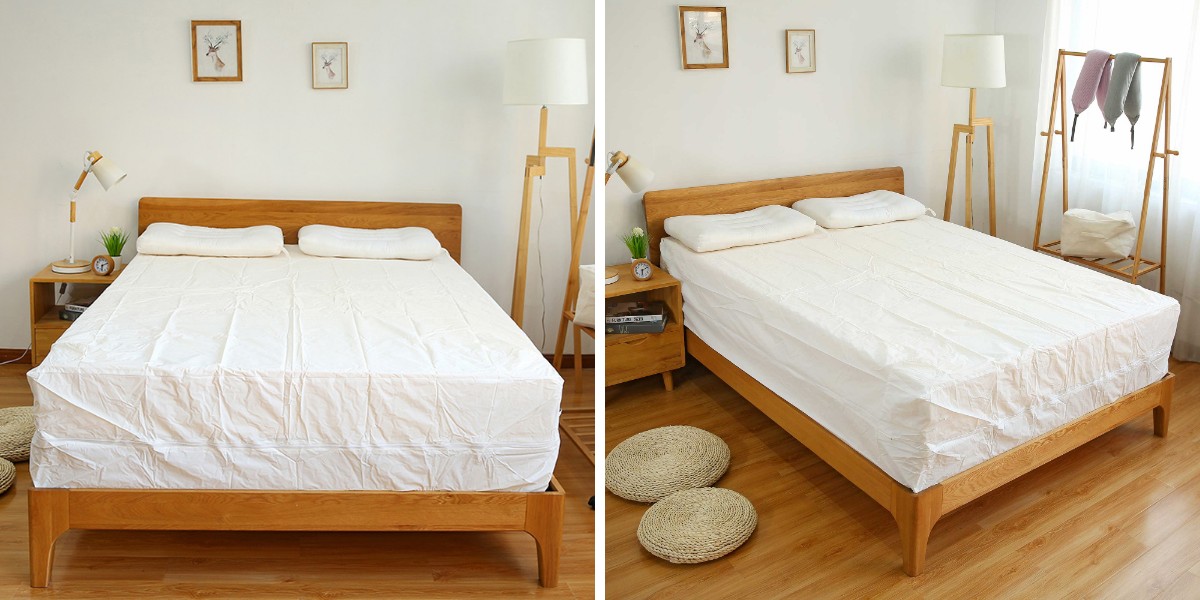
What’s Actually Different Now?
Materials. That’s the whole story.
Most modern mattress protectors use a soft fabric on top and a thin waterproof layer underneath. Instead of thick vinyl, many now use TPU.
TPU is flexible, quiet, and much lighter. It blocks liquid, but it doesn’t trap heat the way old-school protectors did. That’s how waterproof mattress protection stopped feeling medical and started feeling normal.
What “Breathable” Really Means (No Marketing Talk)
Breathable doesn’t mean you’ll feel air blowing through the bed.
It just means:
Heat doesn’t get stuck
Moisture can escape
You don’t wake up feeling sweaty
If you already sleep warm, or you’re on a memory foam mattress, breathability matters more than you think. Without it, even a good mattress can feel uncomfortable.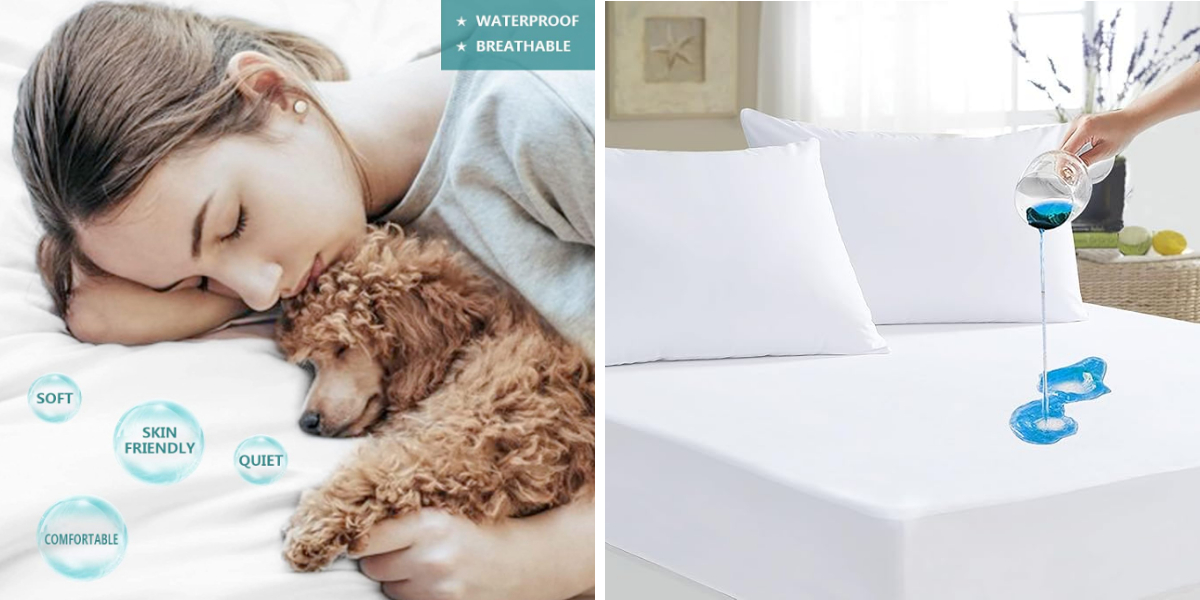
So Do You Have to Choose One or the Other?
Not anymore.
A decent mattress protector can be waterproof and breathable at the same time. The trick is not falling for cheap designs that only focus on one thing.
A good balance usually looks like this:
Soft fabric on top
Thin waterproof backing (TPU, not vinyl)
Flexible, quiet feel
When all of that works together, waterproof mattress protection doesn’t mess with your sleep.
How to Spot a Comfortable Waterproof Mattress Protector
You don’t need to overthink it, but a few signs help.
If it mentions TPU, that’s usually a good start.
If it says “noise-free”, that’s another plus.
If it’s lightweight, that often means better breathability.
If a product feels stiff right out of the package, it probably won’t get better with use.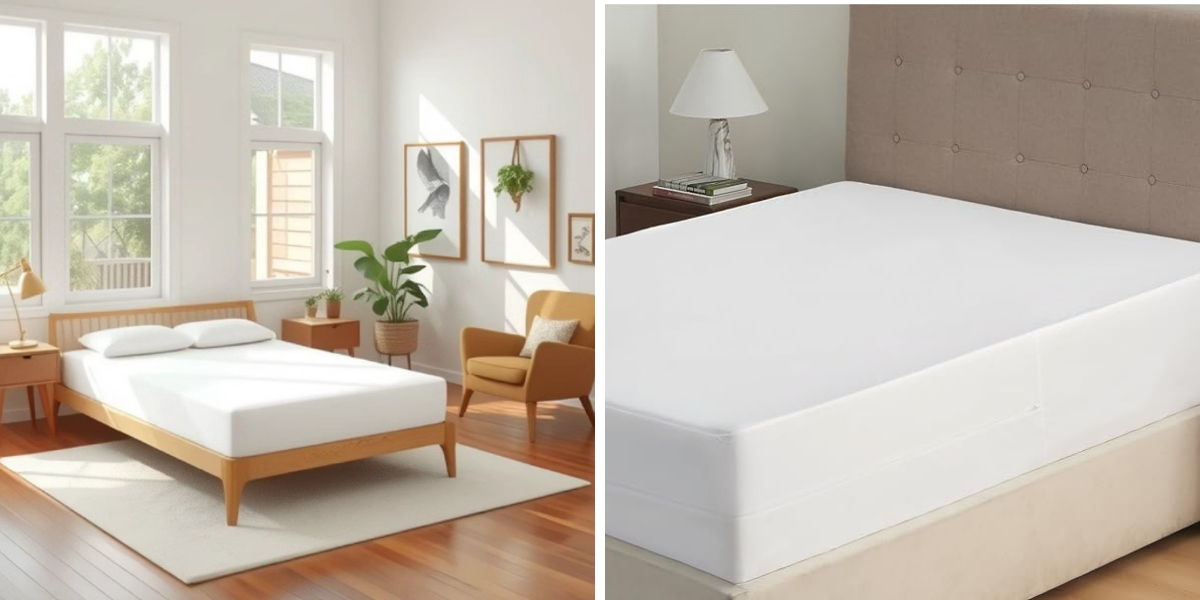
Who Actually Needs Breathable Waterproof Protection?
Honestly? Most people.
But especially:
Hot sleepers
Families with kids
People renting out rooms or properties
Anyone who wants protection without changing how the bed feels
Hotels, for example, rely on waterproof mattress protection every day—but guests still expect comfort. That balance is the goal.
A Few Things People Get Wrong
“Waterproof always feels plastic.”
That’s outdated. Good ones don’t.
“Breathable means it’ll leak.”
Not if it’s made properly.
“You need layers to make it work.”
One solid mattress protector is usually enough.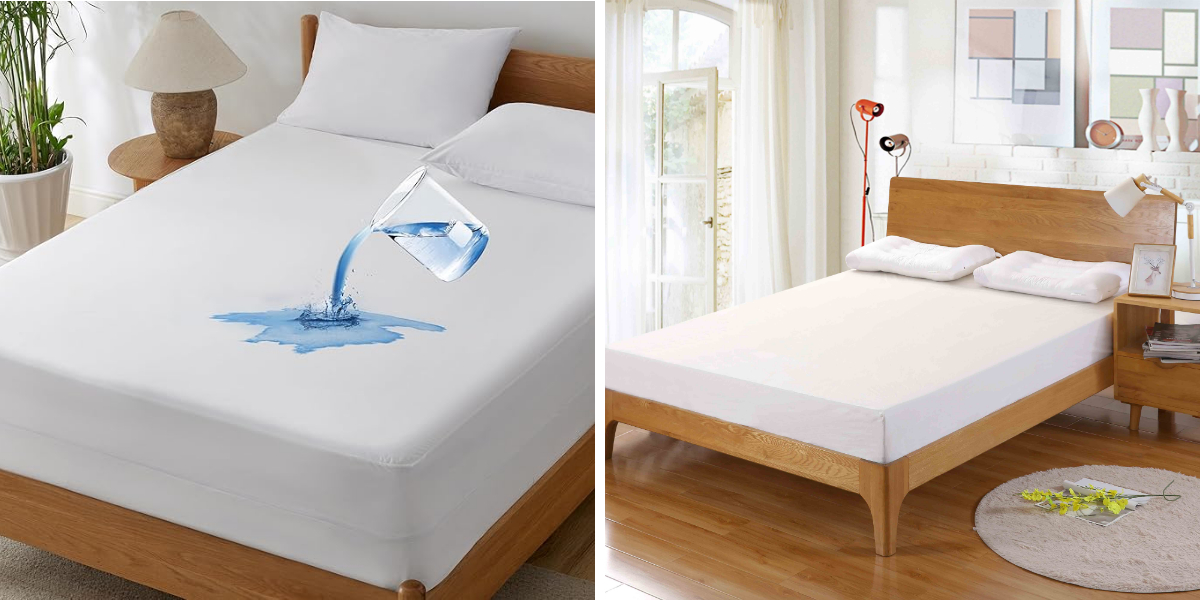
Washing and Everyday Use
Most modern waterproof mattress protectors are made to be washed regularly.
They’re typically:
Machine washable
Quick to dry
Built to hold up after repeated washes
That’s why they work just as well in homes as they do in hotels.
Final Thoughts
So, can you have breathable waterproof mattress protection without ruining comfort?
Yes. You just have to avoid old-style designs.
A good mattress protector should do its job quietly—no heat, no noise, no weird texture. You shouldn’t really notice it at all. And when something spills? That’s when you’re glad it’s there.