Things to Look for When Buying a Hypoallergenic Mattress Protector
Most people don’t think about their mattress until something feels off. Maybe you wake up with a stuffy nose. Maybe your skin feels itchy for no clear reason. Over time, many people realize the issue isn’t the bed—it’s what’s living in it.
That’s where a hypoallergenic mattress protector comes in. Not as a miracle product, but as a practical layer that keeps your sleeping space cleaner and easier to manage.
If you’re shopping for one, here are a few things actually worth paying attention to.
“Hypoallergenic” Isn’t Magic — It’s a Barrier
A mattress protector doesn’t remove allergens from your home. What it does is stop them from building up in the one place you spend hours every night.
Dust mites, pet hair, and everyday moisture slowly work their way into a mattress. Once they’re in, they’re basically there for good. A hypoallergenic mattress protector works as a barrier, so those things stay on the surface and get washed away instead of sinking in.
If a product just says “hypoallergenic” without explaining how, that’s usually a red flag.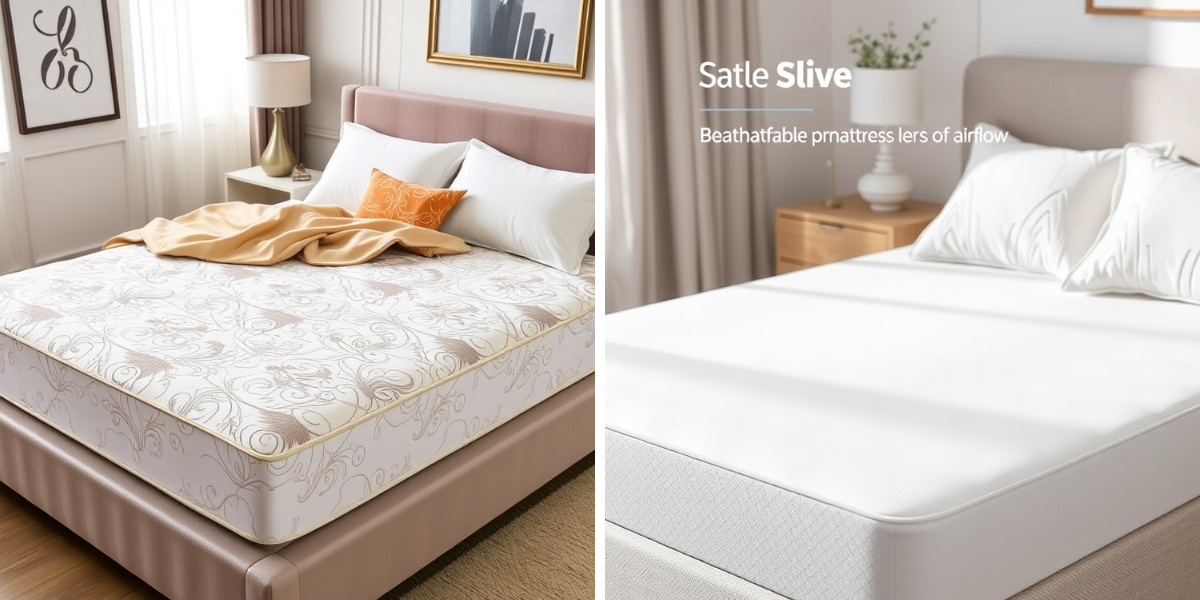
The Fabric Should Feel Normal (Not Like Plastic)
This is where a lot of people get disappointed.
Some mattress protectors technically work, but they feel stiff, noisy, or sweaty. You notice them every time you move, and that defeats the purpose.
A good hypoallergenic mattress protector should feel close to a regular sheet. Cotton blends, soft microfiber, or bamboo-based fabrics tend to work well. The surface should be smooth and quiet, especially if you have sensitive skin.
If it feels uncomfortable in your hands, it probably won’t feel great after eight hours of sleep either.
Dust Mites Are the Real Issue for Most People
When people talk about allergies, they often think about pollen or pets. In the bedroom, dust mites are usually the bigger problem.
A properly made mattress protector for dust mites uses tightly woven fabric or a thin backing layer that mites can’t pass through. That matters more than thick padding or fancy stitching.
This is especially helpful if you already wash your sheets regularly but still wake up congested. Without protection, the mattress itself keeps holding onto allergens.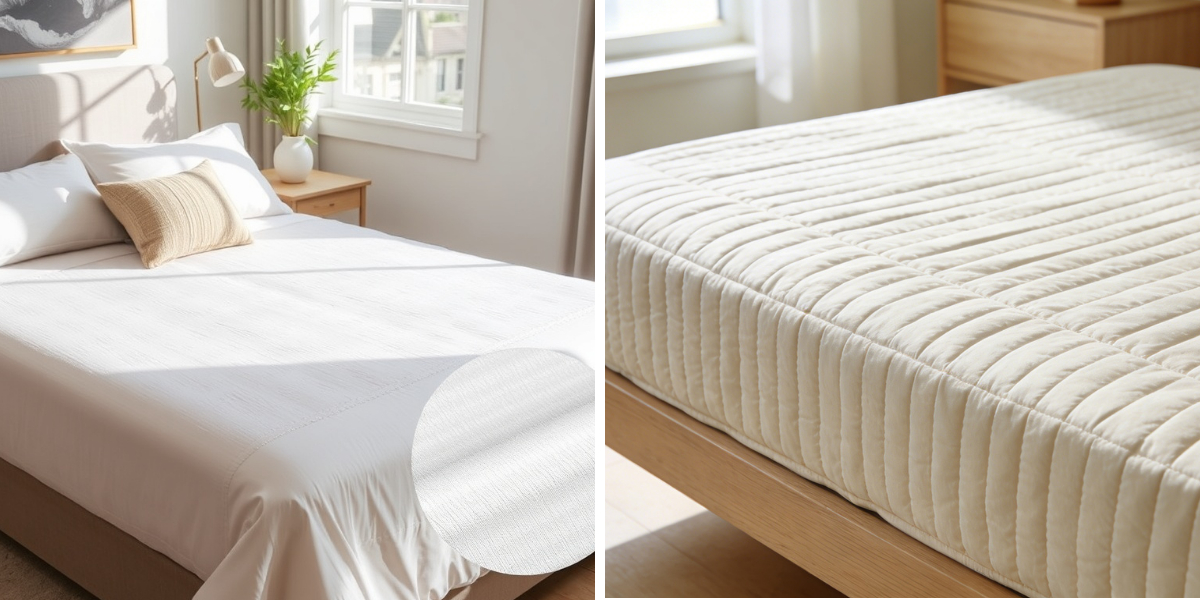
Waterproof Doesn’t Have to Mean Uncomfortable
Older waterproof mattress protectors had a bad reputation for a reason. They trapped heat and made noise.
Newer designs are different. A waterproof hypoallergenic mattress protector can block spills and sweat without feeling heavy. You don’t have to choose between comfort and protection anymore.
This feature is useful even if you don’t have kids. Night sweats, drinks by the bed, or just everyday moisture all add up over time.
Breathability Is Easy to Ignore — Until It’s Not
If you sleep hot, breathability matters more than you think.
A breathable mattress protector helps air move and moisture escape. Less moisture means fewer conditions for allergens to thrive. It also means you’re less likely to wake up feeling overheated.
This isn’t something you notice right away, but over weeks and months, it makes a difference.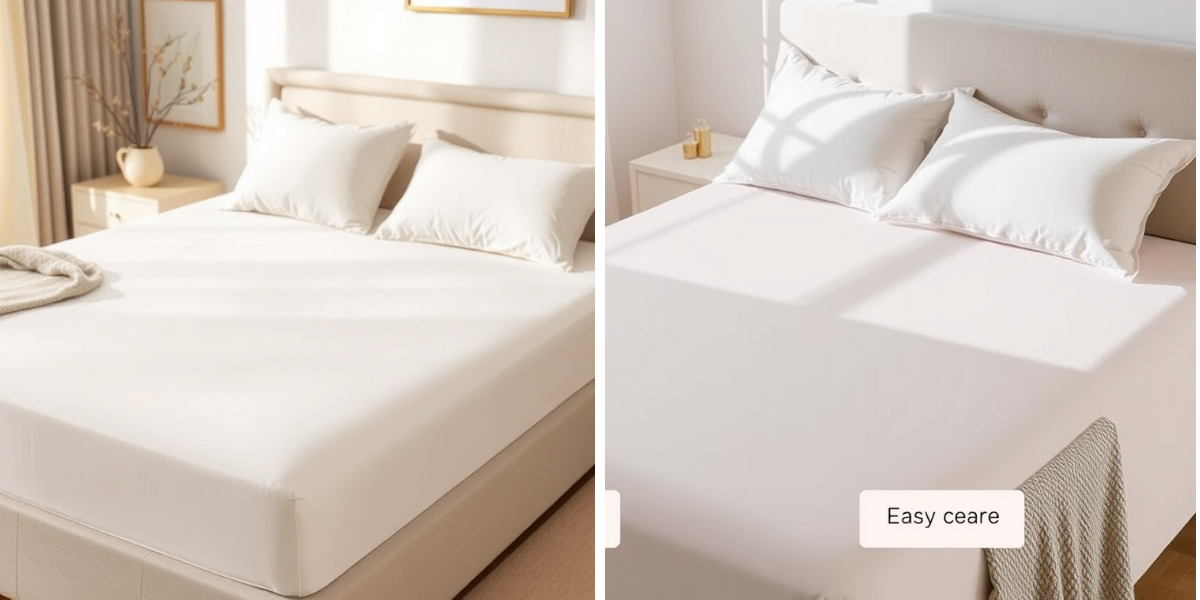
Fit Is Simple, But Important
A mattress protector that shifts around isn’t doing its job well.
Look for elastic edges that actually grip the mattress, especially if you have a thicker or pillow-top bed. A snug fit keeps the mattress protector flat and fully covering the surface.
It also makes the bed easier to make and more comfortable to sleep on.
If It’s Hard to Wash, It Won’t Stay Clean
This part is straightforward.
A hypoallergenic mattress protector should go into a normal washing machine and come out fine. If it needs special care, most people won’t keep up with it.
Regular washing is what keeps allergens under control. Durability matters more than fancy features here.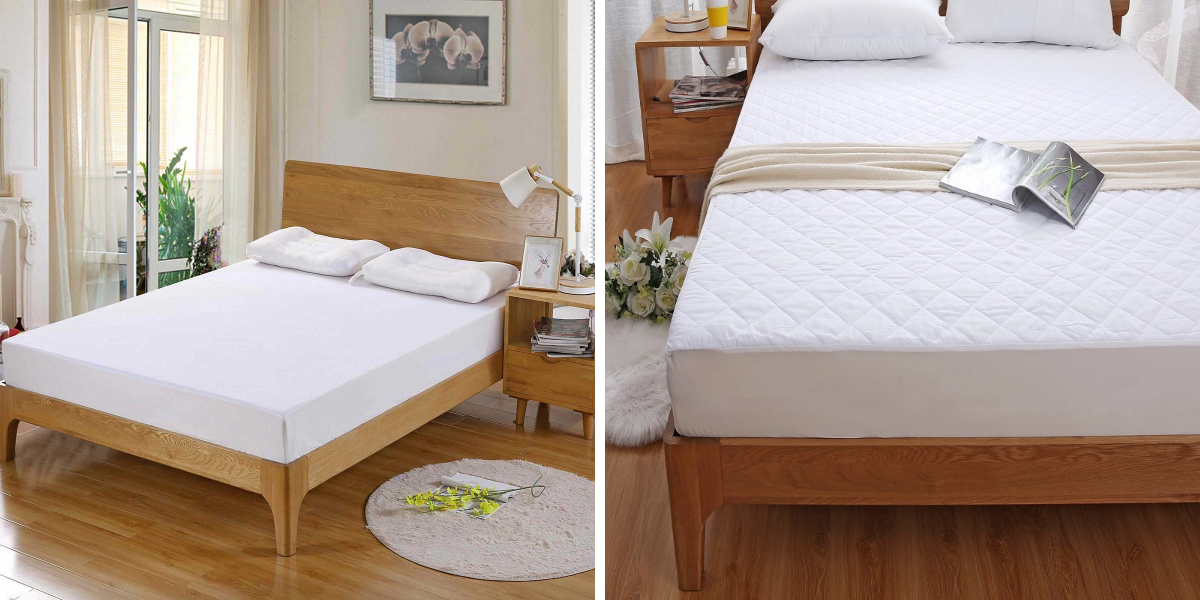
Skin Safety Is a Real Concern
For people with sensitive skin, children, or allergy issues, what’s not in the fabric matters too.
A good mattress protector should be low-odor, gentle on skin, and free from harsh finishes. You don’t need complicated certifications to know when something feels safe—usually your skin tells you.
The Best Ones Are the Ones You Forget About
The goal isn’t to feel your mattress protector every night. The best hypoallergenic mattress protector is the one you stop noticing after the first night.
No noise. No heat buildup. No irritation. Just a cleaner mattress underneath and easier laundry over time.
That’s what actually makes it worth buying.